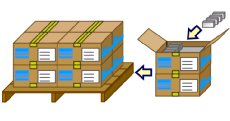
Machining Process
Magnets that have been through the sintering process are machined and plated.
-
1.Machining
-
Due to shrinkage from the sintering process, required measurements are achieved by grinding the magnets with abrasives.
Diamond abrasives are used for this process because the magnet is very hard.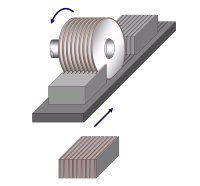
-
2.Surface Treatment (Plating)
-
To best suit the environment in which they will be used, the magnets are subject to various surface treatments.
Nd-Fe-B magnets are generally susceptible to rust so they are surface treated with nickel or paint. Sm-Co magnets have a high resistance to corrosion so they are not usually plated.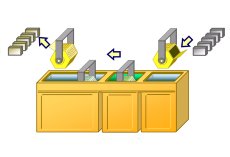
-
3.Form/Visual Inspection
-
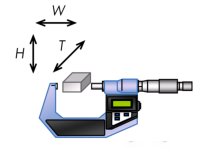
Magnets that have been machined and plated are measured and visually inspected. In addition, magnetic properties, corrosion and maximum energy are tested to specifications.
-
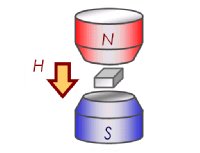
4.Magnetization/Assembly
-
Magnets that have been machined and plated are measured and visually inspected.
In addition, magnetic properties, corrosion and maximum energy are tested to specifications.
-
5.Shipping/Packaging
-
The magnets that have passed product inspection are packaged and shipped from domestic and overseas production sites.
When there are regulations concerning leakage magnetic flux (for example, in air cargo), we comply by using packaging designed to account for leakage magnetic flux